Tools of Titans: Summary in 5 Key Points
AI-assisted book brief. Verify important claims against the original book; this page does not claim personal reading or independent expert review.
Questions to take into the book
- What kinds of evidence does the collection offer besides personal testimony?
- How do contributors' circumstances affect whether a routine transfers?
- Which advice would need independent verification before use?
Who should read the full book
This book is a must-read for anyone looking to improve their habits, productivity, and overall well-being, particularly entrepreneurs, athletes, and artists. However, those seeking a quick fix or superficial self-help advice may find it too dense and detailed. Busy professionals with limited time may also want to consider a condensed summary.
📚 Get the full book on Amazon →How to use this idea
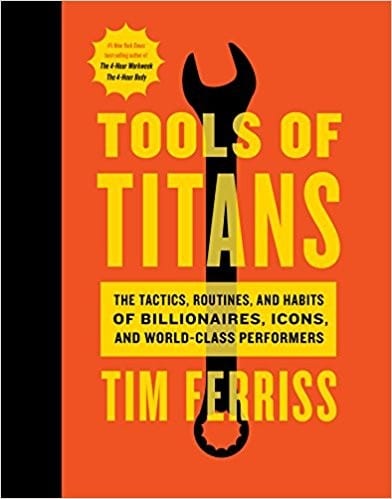
Ferriss assembles interviews and practices from many contributors, so the book is better approached as a collection to interrogate than as a single universal system. Its range makes comparison possible: a routine that helps one person's context may fail in another's. The index and category structure support selective reading and checking the source of each claim.
Where it has limits
Anecdotes from high-performing or wealthy people do not establish that their routines caused their outcomes or will transfer to other lives. Treat health, finance, and career claims as leads to verify, not instructions to follow.
A small test to try
Select one low-risk practice and identify whose experience it comes from, what problem it addresses, and what conditions differ in your own situation. Try it briefly only if those differences make it reasonable.
AI-assisted editorial interpretation, not a claim of personal reading or independent expert review. Source checked 2026-10-14: Tim Ferriss: official books page.
Brief your own reading in 10 seconds
Paste any article, essay or notes and get the 5 points that matter. Free, no signup.
Ask anything about this book
Ask for an AI-assisted explanation. Useful questions may be considered for editorial review; repeated requests do not publish an answer.