Daring Greatly: Summary in 5 Key Points
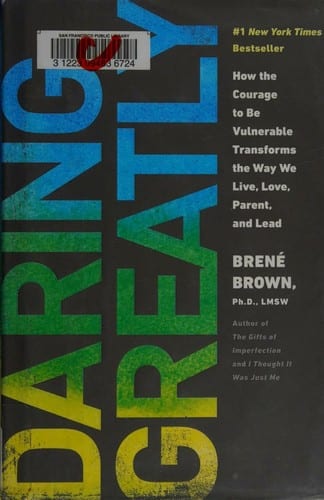
AI-assisted book brief. Verify important claims against the original book; this page does not claim personal reading or independent expert review.
Questions to take into the book
- How does Brown distinguish vulnerability from weakness?
- What conditions make openness safer and more constructive?
- Where might a boundary be more appropriate than greater disclosure?
Who should read the full book
This book is ideal for individuals seeking personal growth, self-improvement, and a deeper understanding of themselves and their relationships. Those already familiar with Brown's work may find some concepts repetitive. Readers looking for a quick fix or surface-level advice may not find this book engaging.
📚 Get the full book on Amazon →How to use this idea
Brown's account links vulnerability with uncertainty, emotional exposure, and the possibility of connection; it does not treat openness as an obligation to disclose everything. The distinction between courage and indiscriminate exposure helps make the book more useful: people can choose where trust exists and what risks are proportionate.
Where it has limits
Personal disclosure can carry real risks in unsafe relationships or workplaces. The book's framework does not erase power differences or make vulnerability a substitute for privacy and boundaries.
A small test to try
Choose a low-stakes situation where you have enough trust to ask a sincere question or acknowledge uncertainty. Decide in advance what you are comfortable sharing and reflect on the response.
AI-assisted editorial interpretation, not a claim of personal reading or independent expert review. Source checked 2026-10-14: Penguin Random House: official publisher page.
Brief your own reading in 10 seconds
Paste any article, essay or notes and get the 5 points that matter. Free, no signup.
Ask anything about this book
Ask for an AI-assisted explanation. Useful questions may be considered for editorial review; repeated requests do not publish an answer.