The Mountain Is You: Summary in 5 Key Points
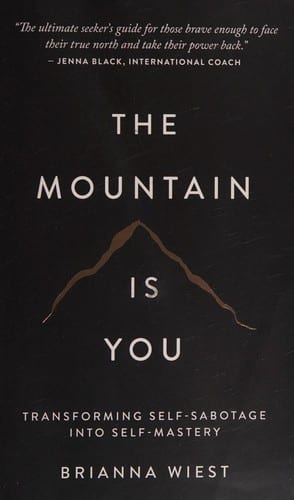
AI-assisted book brief. Verify important claims against the original book; this page does not claim personal reading or independent expert review.
Questions to take into the book
- How does Wiest connect repeated behavior with a protective function or unmet need?
- Which parts of the book are reflective metaphors, and which are presented as psychological claims?
- What external constraints or support needs might explain a pattern without attributing it to self-sabotage?
Who should read the full book
This book is ideal for individuals seeking personal growth and self-discovery, particularly those struggling with self-doubt, anxiety, or feelings of stagnation. Readers looking for a quick fix or a superficial self-help guide may not find this book suitable. Anyone interested in psychology, philosophy, or spirituality will appreciate the book's in-depth exploration of the human experience.
📚 Get the full book on Amazon →How to use this idea
Wiest frames self-sabotage as behavior that may protect a person from an underlying fear or unmet need, then invites readers to examine repeated patterns and the change they want. This is a reflective self-help lens rather than an established diagnosis; an unhelpful pattern may also reflect external constraints, health needs, or limited options rather than a hidden wish to fail.
Where it has limits
The book's language about the brain, trauma, and emotional patterns should not be taken as clinical assessment or treatment. Persistent distress, trauma symptoms, or safety concerns warrant qualified professional support; avoid blaming yourself for circumstances outside your control.
A small test to try
Pick one low-stakes habit you want to change. Note what tends to happen just before it, what short-term need the behavior may serve, and one small alternative that is safe and realistic. Treat the explanation as a hypothesis, not a diagnosis.
AI-assisted editorial interpretation, not a claim of personal reading or independent expert review. Source checked 2026-10-14: Thought Catalog: author and book catalogue for Brianna Wiest.
Brief your own reading in 10 seconds
Paste any article, essay or notes and get the 5 points that matter. Free, no signup.
Ask anything about this book
Ask for an AI-assisted explanation. Useful questions may be considered for editorial review; repeated requests do not publish an answer.