Dopamine Nation: Summary in 5 Key Points
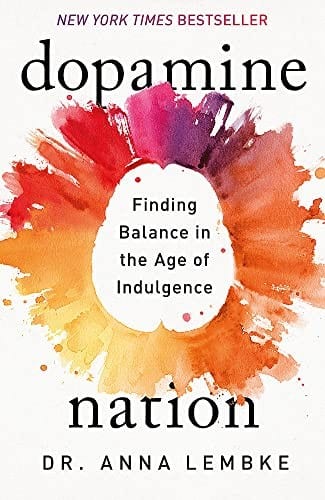
AI-assisted book brief. Verify important claims against the original book; this page does not claim personal reading or independent expert review.
Questions to take into the book
- How do the clinical stories complicate the idea that addiction is simply a lack of willpower?
- What role does discomfort play in Lembke's explanation of reward-seeking?
- Which claims need to be separated from personal medical guidance?
Who should read the full book
This book is ideal for individuals struggling with addiction, mental health professionals, and anyone interested in the science of pleasure and pain. Readers looking for a light, casual read may find the book too dense and scientific.
📚 Get the full book on Amazon →How to use this idea
Lembke uses clinical stories and neuroscience to examine how easy access to rewarding stimuli can shape habits and how pleasure and discomfort interact. The book's most useful contribution is asking readers to observe patterns and consequences instead of reducing compulsive behavior to weak character. Its examples are invitations to think, not a diagnosis of the reader.
Where it has limits
This book is not individualized medical advice. A self-imposed abstinence experiment may be inappropriate or unsafe for some substances or conditions; people experiencing dependence or withdrawal should seek qualified clinical support.
A small test to try
For a low-risk habit such as checking a social feed, record when it happens, what preceded it, and how you feel afterwards for several days. Use the observation to discuss one realistic change, not to label yourself.
AI-assisted editorial interpretation, not a claim of personal reading or independent expert review. Source checked 2026-10-14: Penguin Random House: official publisher page.
Brief your own reading in 10 seconds
Paste any article, essay or notes and get the 5 points that matter. Free, no signup.
Ask anything about this book
Ask for an AI-assisted explanation. Useful questions may be considered for editorial review; repeated requests do not publish an answer.