The Obesity Code: Summary in 5 Key Points
AI-assisted book brief. Verify important claims against the original book; this page does not claim personal reading or independent expert review.
Questions to take into the book
- How does Fung use insulin to explain weight regulation, and what evidence does he cite?
- Which parts of the book describe a hypothesis or interpretation rather than a settled clinical consensus?
- What biological, social, or environmental factors might require a broader account than the one emphasized in the book?
Who should read the full book
This book is a must-read for anyone struggling with weight loss or metabolic disorders, as well as healthcare professionals looking for a deeper understanding of the underlying causes of obesity. However, readers looking for a quick fix or a traditional diet plan may find the book's focus on physiological and biochemical explanations too technical. Busy professionals with limited time may also find the book's dense content challenging to digest.
📚 Get the full book on Amazon →How to use this idea
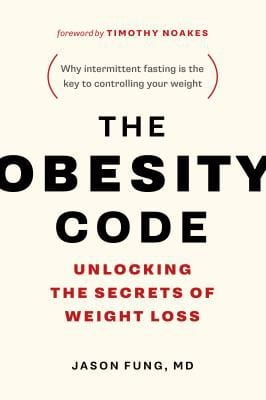
Fung presents obesity through a hormonal model centered on insulin and discusses food, meal timing, and fasting as factors in weight regulation. This is the book's thesis, not an uncontested explanation of obesity. A careful reader should compare its claims with current clinical guidance and evidence that accounts for biological, social, environmental, and individual factors.
Where it has limits
This is a health book with contested claims and should not be used to diagnose or treat obesity, diabetes, or another condition. Do not begin fasting or change medication based on the book or this summary; consult a qualified clinician, especially if you have a medical condition, take medication, are pregnant, or have a history of disordered eating.
A small test to try
Choose one claim and trace its evidence, population, and limitations using independent clinical or public-health sources. Do not experiment with fasting or diet as part of this exercise.
AI-assisted editorial interpretation, not a claim of personal reading or independent expert review. Source checked 2026-10-14: Greystone Books: The Obesity Code publisher catalogue.
Brief your own reading in 10 seconds
Paste any article, essay or notes and get the 5 points that matter. Free, no signup.
Ask anything about this book
Ask for an AI-assisted explanation. Useful questions may be considered for editorial review; repeated requests do not publish an answer.