Stolen Focus: Summary in 5 Key Points
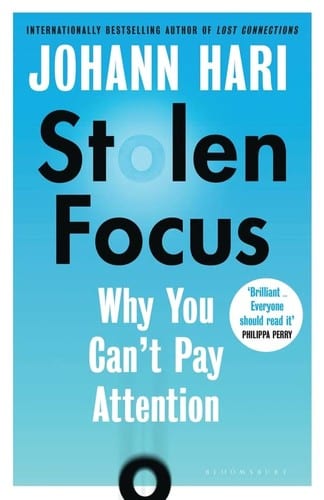
AI-assisted book brief. Verify important claims against the original book; this page does not claim personal reading or independent expert review.
Questions to take into the book
- Which pressures on attention does Hari describe as individual, and which as structural?
- What kinds of research or reporting support the factors highlighted in the book?
- Where does the book move from documenting a problem to recommending a response, and what assumptions connect those steps?
Who should read the full book
This book is a must-read for anyone struggling with distraction, procrastination, or feeling overwhelmed by modern life. It is particularly relevant for professionals, students, and parents looking to improve their productivity and well-being. However, readers who are already highly disciplined and self-aware may find the content less applicable to their lives.
📚 Get the full book on Amazon →How to use this idea
Hari organizes the book around multiple social and environmental pressures on attention, including digital design, work patterns, sleep, and the conditions of childhood. This shifts the discussion beyond individual willpower. The useful reading question is how well each proposed factor is supported and whether a remedy follows from the evidence, since the book is a reported argument rather than a systematic review.
Where it has limits
The book's broad synthesis and causal claims should be checked against the underlying research; describing a factor in the book does not establish its size or effect. Focus difficulties can also have individual, medical, and situational causes. This summary is not diagnosis or treatment advice.
A small test to try
Pick one attention claim and trace it to the study or source discussed. Record the population, method, and limits, then distinguish the evidence from Hari's interpretation and proposed response.
AI-assisted editorial interpretation, not a claim of personal reading or independent expert review. Source checked 2026-10-14: Penguin Random House: Stolen Focus edition and overview.
Brief your own reading in 10 seconds
Paste any article, essay or notes and get the 5 points that matter. Free, no signup.
Ask anything about this book
Ask for an AI-assisted explanation. Useful questions may be considered for editorial review; repeated requests do not publish an answer.