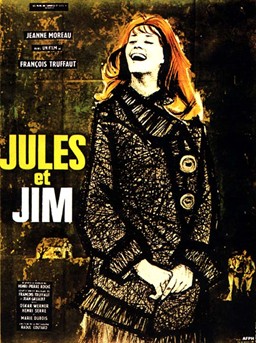
Official promotional poster. Rights belong to the respective rights holders.
Read the film reference Availability and pricing vary by region.Jules and JimA movie brief.
1962 / Romantic drama / Directed by François Truffaut
A complex love triangle set against the backdrop of World War I
What is Jules and Jim about?
The film follows a love triangle involving French bohemian Jim, his shy Austrian friend Jules, and Jules' girlfriend and later wife Catherine. The story spans before, during, and after World War I.
Five things to know.
Setup
The film is set in 1912 and follows the formation of a strong bond between Jim and Jules, two friends who share an interest in the arts and bohemian lifestyle.
World
The story explores the world of French bohemians in Paris and their experiences during and after World War I.
Pressure
The love triangle between Jim, Jules, and Catherine creates tension and pressure on their relationships and personal lives.
Craft
The film features a notable score by Georges Delerue, which has been praised for its emotional content and contribution to the film's overall impact.
Viewing note
The film is known for its complex and nuanced portrayal of relationships, and viewers should be prepared for a thought-provoking and emotionally charged viewing experience.
A thought to take with you.
Jules, Jim, and Catherine's shifting relationship spans decades, with the characters repeatedly negotiating freedom, affection, and the promises they made earlier. The film's brisk narration moves through time while leaving the emotional consequences of their choices in view.
Is it your kind of movie?
Choose it for a French New Wave drama about friendship and a changing love triangle. Its episodic form and period context suit viewers interested in classic cinema.
Sources & scope
This AI-assisted brief is based on the linked secondary reference. Facts and interpretation are separated; it does not claim personal viewing or independent expert review.
Source details checked October 4, 2026. Suggest a correction · Our editorial approach