The Subtle Art of Not Giving a F*ck: Summary in 5 Key Points
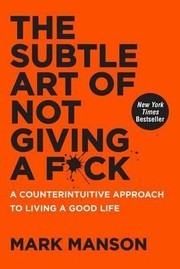
AI-assisted book brief. Verify important claims against the original book; this page does not claim personal reading or independent expert review.
Scope: Nonfiction overview; claims are attributed to the author and are not universal or clinical guarantees.
Key ideas worth keeping
Choose concerns that match your values.
Discomfort can accompany meaningful work.
Question the measures behind your goals.
Questions about this book
Does not caring mean becoming indifferent?
No. Manson's argument is to care selectively about worthwhile concerns.
Is the book mainly about positive thinking?
It challenges compulsory positivity and asks readers to accept difficult experiences.
What makes its approach distinctive?
It connects priorities with values, responsibility, uncertainty, and the problems people choose to face.
Sources and scope
Original editorial orientation based on the cited work overview and reference edition. Theme takeaways are interpretation; this is not a chapter-by-chapter synopsis. Page counts vary by edition and are omitted.
Sources checked October 10, 2026.
Who should read the full book
For readers who prefer blunt, profane self-help that questions motivational clichés. Its personal philosophy is not clinical treatment or universal evidence.
📚 Get the full book on Amazon →Brief your own reading in 10 seconds
Paste any article, essay or notes and get the 5 points that matter. Free, no signup.
Ask anything about this book
Ask for an AI-assisted explanation. Useful questions may be considered for editorial review; repeated requests do not publish an answer.