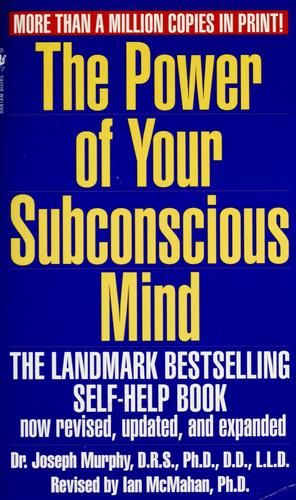
The Power of Your Subconscious Mind: Summary in 5 Key Points
AI-assisted book brief. Verify important claims against the original book; this page does not claim personal reading or independent expert review.
Scope: Nonfiction overview; claims are attributed to the author and are not universal or clinical guarantees.
Key ideas worth keeping
Repeated expectations can shape personal habits.
Mental rehearsal differs from guaranteed results.
Evaluate spiritual claims separately from evidence.
Questions about this book
Is this a neuroscience textbook?
No. It is a spiritually influenced self-help book using anecdotes and mental exercises.
Which practices does Murphy emphasize?
Affirmation, prayer, visualization, and repeated constructive suggestion.
Does thinking guarantee a specific outcome?
No reliable guarantee follows from these exercises; practical circumstances still matter.
Sources and scope
Original editorial orientation based on the cited work overview and reference edition. Theme takeaways are interpretation; this is not a chapter-by-chapter synopsis. Page counts vary by edition and are omitted.
Sources checked October 10, 2026.
Who should read the full book
For readers interested in classic spiritually oriented self-help and belief-based exercises. Read health and prosperity claims critically rather than as established science.
📚 Get the full book on Amazon →Brief your own reading in 10 seconds
Paste any article, essay or notes and get the 5 points that matter. Free, no signup.
Ask anything about this book
Ask for an AI-assisted explanation. Useful questions may be considered for editorial review; repeated requests do not publish an answer.