The Kite Runner: Summary in 5 Key Points
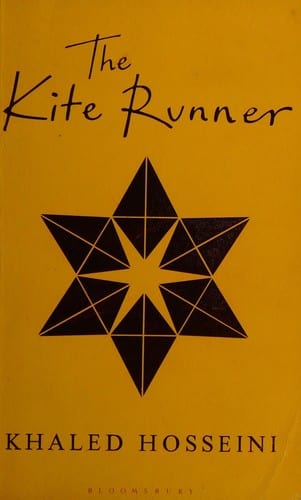
AI-assisted book brief. Verify important claims against the original book; this page does not claim personal reading or independent expert review.
Questions to take into the book
- How does Amir's narration affect the reader's view of his choices and later attempts at repair?
- How do class and ethnic hierarchies shape the friendship between Amir and Hassan?
- Where does the novel's personal story intersect with political history, and where would outside historical sources add context?
Who should read the full book
The Kite Runner is a must-read for anyone interested in literary fiction, Afghan culture, and stories of redemption and personal growth. Readers who appreciate character-driven narratives and historical fiction will find this book compelling. However, those who prefer light, easy reads may find the novel's themes and content challenging.
📚 Get the full book on Amazon →How to use this idea
Hosseini's novel follows Amir and Hassan across childhood in Kabul, displacement, and the long shadow of betrayal. The first-person account links private guilt to class, ethnic difference, family expectation, and political upheaval, while keeping the reader close to Amir's partial understanding. The novel's Afghanistan is a fictional narrative shaped by one author's characters, not a complete portrait of a country.
Where it has limits
The novel includes sexual violence, child abuse, and political violence. Its fictional story should not be used as a sole source for Afghan history or as representative of all Afghan people; readers may consult historical sources and Afghan voices for broader context.
A small test to try
Revisit a scene from two characters' perspectives. Note whose thoughts the narrator can know, what social position shapes each character's options, and what remains absent from the narrative.
AI-assisted editorial interpretation, not a claim of personal reading or independent expert review. Source checked 2026-10-14: Penguin Random House: The Kite Runner edition and overview.
Brief your own reading in 10 seconds
Paste any article, essay or notes and get the 5 points that matter. Free, no signup.
Ask anything about this book
Ask for an AI-assisted explanation. Useful questions may be considered for editorial review; repeated requests do not publish an answer.