The Charisma Myth: Summary in 5 Key Points
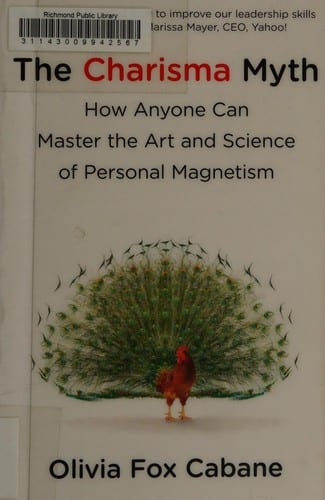
AI-assisted book brief. Verify important claims against the original book; this page does not claim personal reading or independent expert review.
Questions to take into the book
- How does Cabane break charisma into presence, power, and warmth?
- Which techniques change internal attention, and which change outward signals?
- Where might a charisma technique be ineffective or inappropriate because of context or power?
Who should read the full book
This book is ideal for individuals looking to improve their social skills, build confidence, and advance their careers. Those already skilled in charisma and self-promotion may find the content too basic. Readers seeking a comprehensive guide to personal development will appreciate the book's practical advice.
📚 Get the full book on Amazon →How to use this idea
Cabane frames charisma through presence, power, and warmth, and presents techniques for noticing internal states and adjusting visible behavior. The framework is useful as a set of social experiments, but it should not imply that charisma is a fixed trait or that a technique guarantees trust. Context, culture, role, and the other person's preferences all shape an interaction.
Where it has limits
The book's practical methods are the author's framework, not a substitute for authentic consent, expertise, or attention to power differences. A polished social signal cannot repair a harmful action or make manipulation ethical.
A small test to try
In one low-stakes conversation, focus on listening without preparing your reply. Afterwards, note what you observed about your attention and the other person's response without assuming a single technique caused it.
AI-assisted editorial interpretation, not a claim of personal reading or independent expert review. Source checked 2026-10-11: Olivia Fox Cabane: official book catalogue for The Charisma Myth.
Brief your own reading in 10 seconds
Paste any article, essay or notes and get the 5 points that matter. Free, no signup.
Ask anything about this book
Ask for an AI-assisted explanation. Useful questions may be considered for editorial review; repeated requests do not publish an answer.