How to Win Friends and Influence People: Summary in 5 Key Points
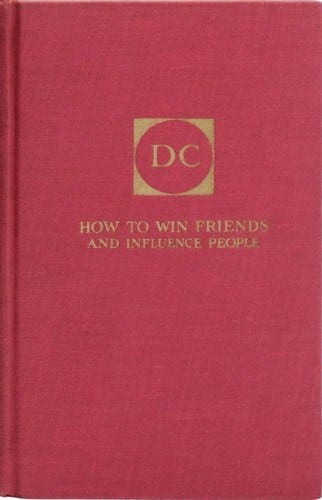
AI-assisted book brief. Verify important claims against the original book; this page does not claim personal reading or independent expert review.
Questions to take into the book
- How does Carnegie distinguish appreciation from flattery?
- When does listening change your understanding rather than simply delay your reply?
- Which advice needs updating for modern workplace or online power dynamics?
Who should read the full book
This book is essential reading for anyone looking to improve their communication skills, build stronger relationships, or increase their influence in personal or professional settings. Those already skilled in these areas may find the content too basic. Managers, leaders, and sales professionals will particularly benefit from the book's insights.
📚 Get the full book on Amazon →How to use this idea
Carnegie's advice is strongest when read as a discipline of attention, not a bag of persuasion tricks. Remembering a person's interests, listening before answering, and describing disagreement without humiliation all depend on sincere curiosity. The test is whether a conversation becomes clearer for both people, not whether one person gets their way.
Where it has limits
The book's early twentieth-century examples and its language of influence need context. Courtesy cannot substitute for honest disagreement, boundaries, or fair treatment when people hold unequal power.
A small test to try
In one upcoming conversation, ask a genuine question about the other person's view before presenting your own. Afterwards, note whether you understood their reasoning more accurately and whether you still disagree.
AI-assisted editorial interpretation, not a claim of personal reading or independent expert review. Source checked 2026-10-14: Simon & Schuster: official publisher page for the updated edition.
Brief your own reading in 10 seconds
Paste any article, essay or notes and get the 5 points that matter. Free, no signup.
Ask anything about this book
Ask for an AI-assisted explanation. Useful questions may be considered for editorial review; repeated requests do not publish an answer.