The Boy in the Striped Pyjamas: Summary in 5 Key Points
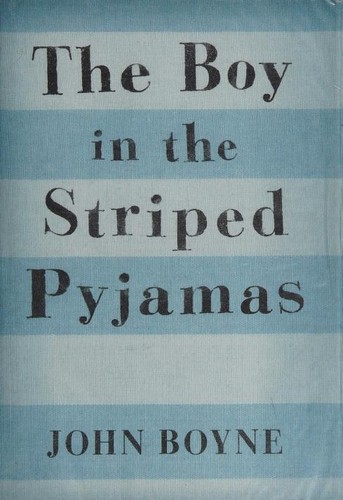
AI-assisted book brief. Verify important claims against the original book; this page does not claim personal reading or independent expert review.
Scope: Premise and themes only; no ending or major revelation. Sequel premises may reveal earlier-book outcomes.
Key ideas worth keeping
read the narrative as fiction, not Holocaust history
seek reliable historical context alongside the novel
notice how a child narrator limits what readers understand
Questions about this book
Is this a true account?
No; it is a novel and should not be used as a factual Holocaust history source.
What is the central relationship?
The story follows Bruno and Shmuel, boys on opposite sides of a fence.
Should readers seek historical context?
Yes; consult reliable Holocaust history sources alongside any discussion of the novel.
Sources and scope
Original editorial orientation based on the cited work overview and reference edition. Theme takeaways are interpretation; this is not a chapter-by-chapter synopsis. Page counts vary by edition and are omitted.
Sources checked October 12, 2026.
Who should read the full book
Readers discussing historical fiction with a clear understanding that the book is fictional and historically limited.
📚 Get the full book on Amazon →Brief your own reading in 10 seconds
Paste any article, essay or notes and get the 5 points that matter. Free, no signup.
Ask anything about this book
Ask for an AI-assisted explanation. Useful questions may be considered for editorial review; repeated requests do not publish an answer.