The Let Them Theory: Summary in 5 Key Points
AI-assisted book brief. Verify important claims against the original book; this page does not claim personal reading or independent expert review.
Scope: Nonfiction overview; claims are attributed to the author and are not universal or clinical guarantees.
Key ideas worth keeping
release responsibility for choices only other people can make
identify the action that remains within your control
use the phrase as a reflection prompt, not a universal rule
Questions about this book
What does 'Let Them' mean?
It means allowing others to make their choices while you decide your own response.
Is it a therapy manual?
No; it is popular self-help, not a substitute for individualized mental-health care.
Does this cover the 2024 edition?
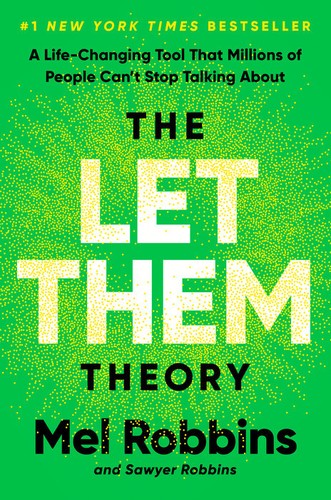
Yes; the verified English 2024 edition credits Mel Robbins and Sawyer Robbins.
Sources and scope
Original editorial orientation based on the cited work overview and reference edition. Theme takeaways are interpretation; this is not a chapter-by-chapter synopsis. Page counts vary by edition and are omitted.
Sources checked October 12, 2026.
Who should read the full book
Readers looking for accessible reflection prompts about boundaries, approval, and personal agency.
📚 Get the full book on Amazon →Brief your own reading in 10 seconds
Paste any article, essay or notes and get the 5 points that matter. Free, no signup.
Ask anything about this book
Ask for an AI-assisted explanation. Useful questions may be considered for editorial review; repeated requests do not publish an answer.