Radical Candor: Summary in 5 Key Points
AI-assisted book brief. Verify important claims against the original book; this page does not claim personal reading or independent expert review.
Questions to take into the book
- What observable behavior distinguishes care from a speaker's assertion that they mean well?
- How does direct feedback differ from treating harshness as a virtue?
- What would let the recipient challenge a criticism without the relationship becoming another obstacle?
Who should read the full book
Managers and team leaders looking to improve their leadership skills and build strong relationships with their teams should read this book. Those already familiar with the concept of radical candor may find some sections repetitive. New managers will find it particularly useful.
📚 Get the full book on Amazon →How to use this idea
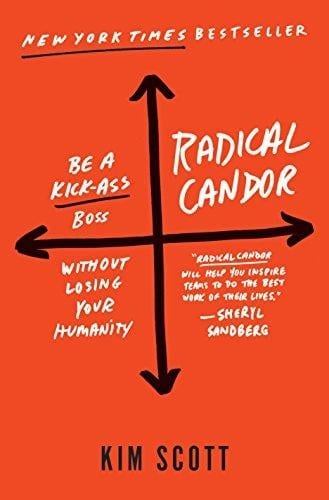
Scott's two dimensions prevent directness from being treated as sufficient evidence of useful feedback. A person can state a criticism plainly while ignoring the recipient's interests, or express concern while avoiding the issue that needs discussion. The framework asks a reader to examine both behaviors together. Whether care is understood by the recipient matters more than a speaker's confidence that they intended it.
Where it has limits
Calling feedback candid does not make it accurate, respectful, or safe to contest. Hierarchy and context affect what the recipient can say back and how the same words are received.
A small test to try
Compare two feedback examples in the framework. Identify the observable challenge in each and the evidence of care, then consider how the recipient could question either the criticism or its delivery.
AI-assisted editorial interpretation, not a claim of personal reading or independent expert review. Source checked 2026-10-11: Radical Candor: the care and challenge framework.
Brief your own reading in 10 seconds
Paste any article, essay or notes and get the 5 points that matter. Free, no signup.
Ask anything about this book
Ask for an AI-assisted explanation. Useful questions may be considered for editorial review; repeated requests do not publish an answer.