From Strength to Strength: Summary in 5 Key Points
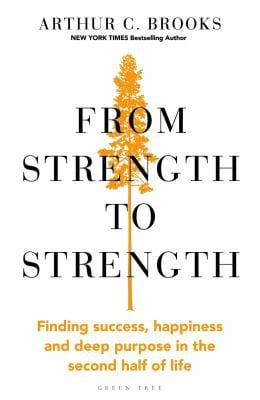
AI-assisted book brief. Verify important claims against the original book; this page does not claim personal reading or independent expert review.
Questions to take into the book
- How does Brooks describe a shift in sources of satisfaction over time?
- Which parts of the transition depend on personal choice, and which on circumstance?
- How might the book's claims change for people with very different resources or work lives?
Who should read the full book
This book is for professionals in their 40s and 50s seeking a career refresh, as well as anyone looking to boost productivity and life satisfaction. Those already familiar with Brooks' work may find some concepts repetitive. Younger readers may not relate to the midlife focus.
📚 Get the full book on Amazon →How to use this idea
Brooks asks readers to rethink identity and purpose as abilities and roles change over a lifetime. The contrast between achievement-focused work and contribution to others gives a useful way to examine whether status is carrying too much of one's sense of worth. The book's broad life-course argument is a perspective to consider, not a timetable that every person follows.
Where it has limits
People have unequal control over work, health, caregiving, and retirement. Advice about finding a new purpose should not imply that structural constraints or grief can be solved by attitude alone.
A small test to try
List one source of meaning that depends on achievement and one that comes from relationships, service, or learning. Identify a small way to make room for the latter without assuming you can simply abandon existing responsibilities.
AI-assisted editorial interpretation, not a claim of personal reading or independent expert review. Source checked 2026-10-14: Arthur C. Brooks: official book overview.
Brief your own reading in 10 seconds
Paste any article, essay or notes and get the 5 points that matter. Free, no signup.
Ask anything about this book
Ask for an AI-assisted explanation. Useful questions may be considered for editorial review; repeated requests do not publish an answer.