Don't Believe Everything You Think: Summary in 5 Key Points
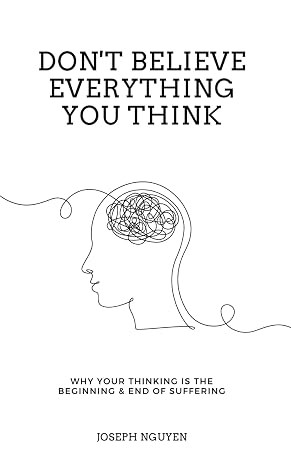
AI-assisted book brief. Verify important claims against the original book; this page does not claim personal reading or independent expert review.
Scope: Nonfiction overview; claims are attributed to the author and are not universal or clinical guarantees.
Key ideas worth keeping
A thought need not be an instruction.
Notice interpretations before accepting them.
An appealing framework is not a universal clinical explanation.
Questions about this book
Does the title mean avoiding all thought?
No. Its focus is questioning identification with habitual or distressing mental narratives.
Is the book a clinical treatment guide?
No. It presents the author's reflective self-help framework.
Does it guarantee permanent freedom from distress?
Such a universal outcome is not established by the book's claims.
Sources and scope
Original editorial orientation based on the cited work overview and reference edition. Theme takeaways are interpretation; this is not a chapter-by-chapter synopsis. Page counts vary by edition and are omitted.
Sources checked October 11, 2026.
Who should read the full book
For readers interested in accessible philosophical self-help about overthinking. Less suited to someone seeking a research-led treatment program for a specific condition.
📚 Get the full book on Amazon →Brief your own reading in 10 seconds
Paste any article, essay or notes and get the 5 points that matter. Free, no signup.
Ask anything about this book
Ask for an AI-assisted explanation. Useful questions may be considered for editorial review; repeated requests do not publish an answer.