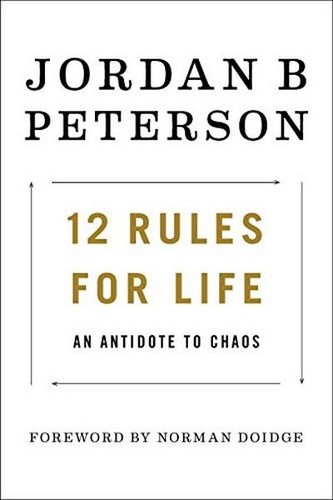
12 Rules for Life: Summary in 5 Key Points
AI-assisted book brief. Verify important claims against the original book; this page does not claim personal reading or independent expert review.
Scope: Nonfiction overview; claims are attributed to the author and are not universal or clinical guarantees.
Key ideas worth keeping
Responsibility can begin with manageable actions.
Personal progress needs a useful comparison point.
Meaning may require foregoing immediate convenience.
Questions about this book
Is the book just a list of twelve sentences?
No. Each rule becomes an extended argument with examples and interpretation.
Does it advocate comparing yourself only with others?
It emphasizes measuring change against your own earlier position.
Are its views universally accepted psychology?
No. Its synthesis includes the author's contested interpretations and personal worldview.
Sources and scope
Original editorial orientation based on the cited work overview and reference edition. Theme takeaways are interpretation; this is not a chapter-by-chapter synopsis. Page counts vary by edition and are omitted.
Sources checked October 11, 2026.
Who should read the full book
For readers interested in Peterson's morally framed self-help and extended arguments. Less suited to someone seeking neutral consensus psychology or brief checklists alone.
📚 Get the full book on Amazon →Brief your own reading in 10 seconds
Paste any article, essay or notes and get the 5 points that matter. Free, no signup.
Ask anything about this book
Ask for an AI-assisted explanation. Useful questions may be considered for editorial review; repeated requests do not publish an answer.