Digital Minimalism: Summary in 5 Key Points
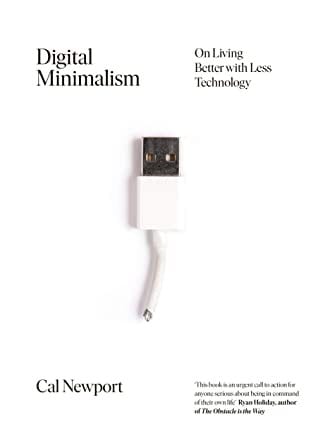
AI-assisted book brief. Verify important claims against the original book; this page does not claim personal reading or independent expert review.
Questions to take into the book
- What makes a technology optional within Newport's proposed declutter process?
- Which value justifies keeping a particular digital activity after a period of reconsideration?
- How would you distinguish a chosen use from a habit that has acquired a convenient explanation?
Who should read the full book
This book is for individuals who feel overwhelmed by technology and social media, and are looking for a more intentional approach to their digital lives. It may not be suitable for those who are heavily invested in the tech industry or are not willing to make significant changes to their digital habits. Readers who value simplicity and are looking for practical advice will find this book particularly useful.
📚 Get the full book on Amazon →How to use this idea
Newport's proposal asks what a technology is for before asking how much of it to use. That changes the decision from defending each convenient feature to choosing a small set of activities that supports something a person values. Minimalism is therefore not simply reducing screen time: a useful reading examines whether an activity remains justified when habit and convenience no longer supply its whole explanation.
Where it has limits
Optional technology is not the same as technology required for access, work, or maintaining a relationship. Lower usage alone does not show that someone's digital life is better suited to their needs.
A small test to try
Compare two technologies discussed in the book. State the value each is meant to support and consider whether a narrower use, a different tool, or no tool would serve that value more directly.
AI-assisted editorial interpretation, not a claim of personal reading or independent expert review. Source checked 2026-10-11: Cal Newport: official Digital Minimalism overview.
Brief your own reading in 10 seconds
Paste any article, essay or notes and get the 5 points that matter. Free, no signup.
Ask anything about this book
Ask for an AI-assisted explanation. Useful questions may be considered for editorial review; repeated requests do not publish an answer.