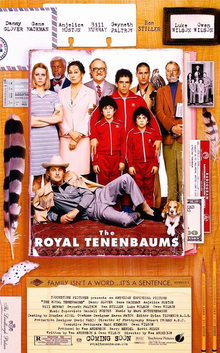
Official promotional poster. Rights belong to the respective rights holders.
Read the film reference Availability and pricing vary by region.The Royal TenenbaumsA movie brief.
2001 / Black Comedy-Drama / Directed by Wes Anderson
A family of former prodigies faces their eccentric father's unexpected return.
What is The Royal Tenenbaums about?
The once-celebrated Tenenbaum children, now adults, grapple with their past glories and present disappointments. Their estranged patriarch, Royal, suddenly reappears, claiming a terminal illness in a bid to reunite his fractured family.
Five things to know.
Setup
The Tenenbaum siblings, once child prodigies, now face adulthood marked by unfulfilled potential and personal struggles, living under the shadow of their past.
World
The film presents an imaginatively visual world with detailed sets and an ambiguous time setting, blending fashions from different eras.
Pressure
Their long-absent father, Royal, returns with a dramatic claim of terminal illness, hoping to reconcile with his estranged wife and children.
Craft
Wes Anderson's distinct style features symmetrical medium shots, mobile camera work, and a literary narrative structure with chapters and narration.
Viewing Note
Audiences can expect a unique blend of ironic humor and deep melancholia, exploring themes of family, lost greatness, and redemption.
A thought to take with you.
This film offers a distinct, visually rich experience that delves into the complexities of a highly dysfunctional family. It's a poignant exploration of reconciliation and the enduring ties that bind, even amidst absurdity.
Is it your kind of movie?
Viewers who appreciate quirky characters, distinctive visual styles, and stories about dysfunctional families may enjoy this film. Expect a blend of dry humor and underlying sadness, presented with a unique narrative flair.
Sources & scope
This AI-assisted brief is based on the linked secondary reference. Facts and interpretation are separated; it does not claim personal viewing or independent expert review.
Source details checked October 3, 2026. Suggest a correction · Our editorial approach