Women Who Run with the Wolves: Summary in 5 Key Points
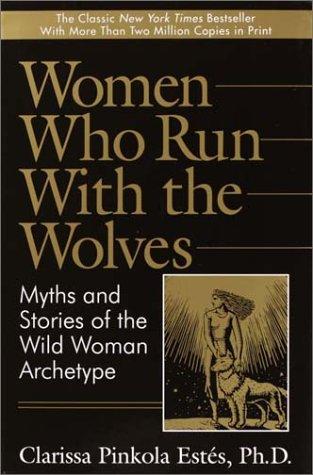
AI-assisted book brief. Verify important claims against the original book; this page does not claim personal reading or independent expert review.
Scope: Nonfiction overview; claims are attributed to the author and are not universal or clinical guarantees.
Key ideas worth keeping
notice which story motifs recur
separate symbolic interpretation from clinical evidence
reflect on how social roles shape the author’s reading
Questions about this book
What kind of book is it?
It combines folklore and psychological interpretation.
Does it tell one continuous story?
No, it discusses multiple myths and folktales.
Is it a clinical guide?
No, it presents the author’s symbolic framework and should not be treated as diagnosis.
Sources and scope
Original editorial orientation based on the cited work overview and reference edition. Theme takeaways are interpretation; this is not a chapter-by-chapter synopsis. Page counts vary by edition and are omitted.
Sources checked October 14, 2026.
Who should read the full book
Readers interested in folklore, Jungian interpretation, and reflective writing on women’s experience.
📚 Get the full book on Amazon →Brief your own reading in 10 seconds
Paste any article, essay or notes and get the 5 points that matter. Free, no signup.
Ask anything about this book
Ask for an AI-assisted explanation. Useful questions may be considered for editorial review; repeated requests do not publish an answer.