The Silmarillion: Summary in 5 Key Points
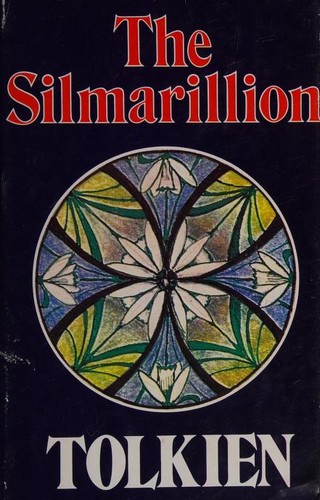
AI-assisted book brief. Verify important claims against the original book; this page does not claim personal reading or independent expert review.
Scope: Premise and themes only; no ending or major revelation. Sequel premises may reveal earlier-book outcomes.
Key ideas worth keeping
use maps and names lists to follow changing peoples
notice the shift from creation myth to chronicle
treat it as background legendarium rather than direct sequel
Questions about this book
Is The Silmarillion a sequel?
It is mythic history that precedes and contextualizes the novels.
Who edited the book?
Christopher Tolkien edited his father's writings for the posthumous volume.
Why can it feel different?
It uses a compressed chronicle style across long periods.
Sources and scope
Original editorial orientation based on the cited work overview and reference edition. Theme takeaways are interpretation; this is not a chapter-by-chapter synopsis. Page counts vary by edition and are omitted.
Sources checked October 13, 2026.
Who should read the full book
Readers of Tolkien's Middle-earth who enjoy mythic histories, invented languages, and broad timelines.
📚 Get the full book on Amazon →Brief your own reading in 10 seconds
Paste any article, essay or notes and get the 5 points that matter. Free, no signup.
Ask anything about this book
Ask for an AI-assisted explanation. Useful questions may be considered for editorial review; repeated requests do not publish an answer.