The Handmaid's Tale: Summary in 5 Key Points
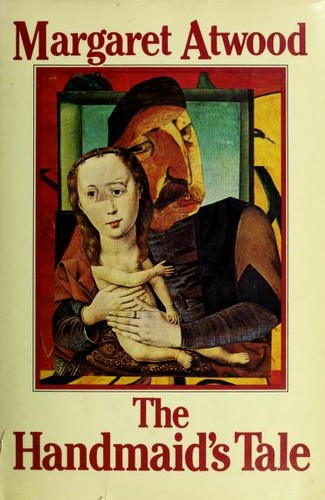
AI-assisted book brief. Verify important claims against the original book; this page does not claim personal reading or independent expert review.
Scope: Premise and themes only; no ending or major revelation. Sequel premises may reveal earlier-book outcomes.
Key ideas worth keeping
Power can operate through everyday restrictions.
Memory preserves identities an institution tries to erase.
Shared oppression does not automatically create equal interests.
Questions about this book
Who is Offred?
The narrator, whose imposed name and role belong to Gilead's system.
Is the novel identical to the television story?
No. The adaptation changes material and develops events beyond the original novel.
Is it straightforward prediction?
It is speculative fiction exploring structures of power, not a guaranteed forecast.
Sources and scope
Original editorial orientation based on the cited work overview and reference edition. Theme takeaways are interpretation; this is not a chapter-by-chapter synopsis. Page counts vary by edition and are omitted.
Sources checked October 11, 2026.
Who should read the full book
For adults interested in feminist speculative fiction and institutional power. Expect reproductive coercion, sexual violence, and a deliberately unsettling narrative.
📚 Get the full book on Amazon →Brief your own reading in 10 seconds
Paste any article, essay or notes and get the 5 points that matter. Free, no signup.
Ask anything about this book
Ask for an AI-assisted explanation. Useful questions may be considered for editorial review; repeated requests do not publish an answer.