The Da Vinci Code: Summary in 5 Key Points
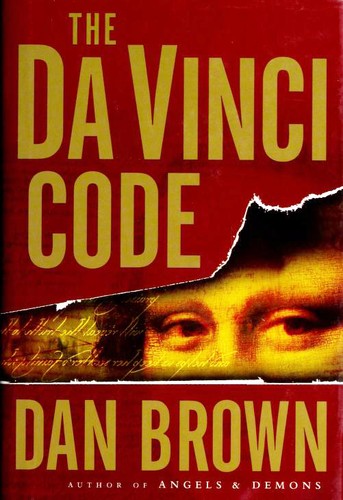
AI-assisted book brief. Verify important claims against the original book; this page does not claim personal reading or independent expert review.
Scope: Premise and themes only; no ending or major revelation. Sequel premises may reveal earlier-book outcomes.
Key ideas worth keeping
Interpretation drives the investigation.
Complementary skills support a pressured partnership.
Fictional conspiracies are not historical proof.
Questions about this book
Must Angels and Demons be read first?
It introduces Langdon earlier, but this novel presents its own central case.
Is the story a history textbook?
No. Its mysteries and conspiracies are constructed as fiction.
Does this brief disclose the final solution?
No. The key revelations and identities remain undisclosed.
Sources and scope
Original editorial orientation based on the cited work overview and reference edition. Theme takeaways are interpretation; this is not a chapter-by-chapter synopsis. Page counts vary by edition and are omitted.
Sources checked October 11, 2026.
Who should read the full book
For adults who enjoy fast-paced puzzle thrillers and art-related intrigue. Less suitable for someone seeking reliable scholarship about Christianity or historical institutions.
📚 Get the full book on Amazon →Brief your own reading in 10 seconds
Paste any article, essay or notes and get the 5 points that matter. Free, no signup.
Ask anything about this book
Ask for an AI-assisted explanation. Useful questions may be considered for editorial review; repeated requests do not publish an answer.