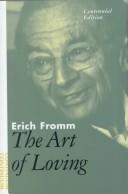
The Art of Loving: Summary in 5 Key Points
AI-assisted book brief. Verify important claims against the original book; this page does not claim personal reading or independent expert review.
Scope: Nonfiction overview; claims are attributed to the author and are not universal or clinical guarantees.
Key ideas worth keeping
separate Fromm's argument from current research
compare the forms of love he discusses
ask what practice and responsibility mean in his account
Questions about this book
What is Fromm's central claim?
He presents love as an art requiring practice, knowledge, and effort.
Is this a relationship workbook?
No; it is a philosophical and psychoanalytic essay rather than a step-by-step workbook.
When was it first published?
The Art of Loving was first published in 1956.
Sources and scope
Original editorial orientation based on the cited work overview and reference edition. Theme takeaways are interpretation; this is not a chapter-by-chapter synopsis. Page counts vary by edition and are omitted.
Sources checked October 13, 2026.
Who should read the full book
Readers interested in humanistic psychology, social philosophy, and reflective writing about relationships.
📚 Get the full book on Amazon →Brief your own reading in 10 seconds
Paste any article, essay or notes and get the 5 points that matter. Free, no signup.
Ask anything about this book
Ask for an AI-assisted explanation. Useful questions may be considered for editorial review; repeated requests do not publish an answer.