The 48 Laws of Power: Summary in 5 Key Points
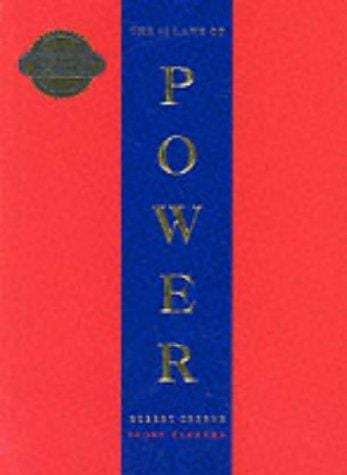
AI-assisted book brief. Verify important claims against the original book; this page does not claim personal reading or independent expert review.
Questions to take into the book
- Does a chapter describe a strategy or argue that readers ought to use it?
- Which people in the example are missing from the account of how power works?
- How would the proposed law change if preserving trust mattered more than gaining advantage?
Who should read the full book
The 48 Laws of Power is a must-read for anyone in a leadership position, entrepreneurs, and individuals looking to advance their careers. However, those who are sensitive to morally ambiguous themes may want to approach with caution. Readers who prefer straightforward self-help books may find this book's historical and philosophical approach challenging.
📚 Get the full book on Amazon →How to use this idea
Greene presents historical episodes as a way to examine how power is pursued, maintained, and resisted. A careful reading can compare the law stated at the start of a chapter with the outcome of its example: the cases reveal strategies, but they do not establish that one rule works in every institution or relationship.
Where it has limits
The book is a strategic interpretation of historical stories, not an evidence-based guide to ethical leadership. Its advice may reward manipulation or conflict when applied without regard for consent, context, or other people's interests.
A small test to try
Choose one chapter and separate its stated law from the historical example used to support it. List whose perspective the story gives, who bears the cost of the strategy, and what evidence would challenge the author's conclusion.
AI-assisted editorial interpretation, not a claim of personal reading or independent expert review. Source checked 2026-10-11: Robert Greene: official book catalogue.
Brief your own reading in 10 seconds
Paste any article, essay or notes and get the 5 points that matter. Free, no signup.
Ask anything about this book
Ask for an AI-assisted explanation. Useful questions may be considered for editorial review; repeated requests do not publish an answer.