Surrounded by Idiots: Summary in 5 Key Points
AI-assisted book brief. Verify important claims against the original book; this page does not claim personal reading or independent expert review.
Scope: Nonfiction overview; claims are attributed to the author and are not universal or clinical guarantees.
Key ideas worth keeping
Different preferences can produce misunderstanding.
Adaptation requires attention to the actual person.
A simple label is not a complete identity.
Questions about this book
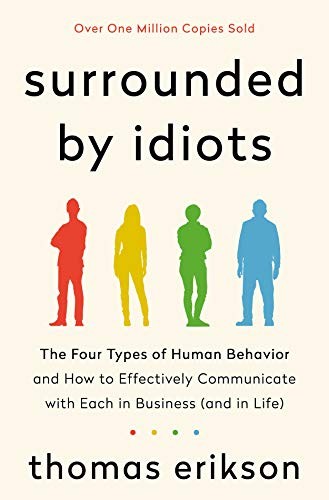
What are the four colors?
Red, yellow, green, and blue are the labels used by Erikson's model.
Does a color define someone's whole personality?
No. The framework simplifies behavior and does not capture a complete person.
Is the title advice to insult others?
The book's practical aim is improving understanding, not treating every disagreement as stupidity.
Sources and scope
Original editorial orientation based on the cited work overview and reference edition. Theme takeaways are interpretation; this is not a chapter-by-chapter synopsis. Page counts vary by edition and are omitted.
Sources checked October 11, 2026.
Who should read the full book
For readers wanting an approachable communication model for everyday interactions. Read its categories critically rather than using them for consequential judgments about people.
📚 Get the full book on Amazon →Brief your own reading in 10 seconds
Paste any article, essay or notes and get the 5 points that matter. Free, no signup.
Ask anything about this book
Ask for an AI-assisted explanation. Useful questions may be considered for editorial review; repeated requests do not publish an answer.