Open: Summary in 5 Key Points
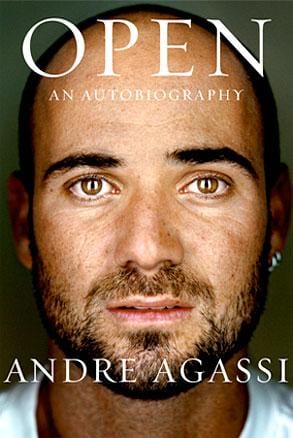
AI-assisted book brief. Verify important claims against the original book; this page does not claim personal reading or independent expert review.
Questions to take into the book
- How does Agassi's view of tennis change across the memoir?
- What does the contrast between achievement and fulfillment reveal?
- How should readers account for hindsight in an autobiography?
Who should read the full book
This book is ideal for tennis fans, those interested in memoirs, and anyone looking for a story of personal growth and redemption. However, readers seeking a purely technical tennis book may find it less engaging. Fans of celebrity autobiographies will appreciate Agassi's candid storytelling.
📚 Get the full book on Amazon →How to use this idea
Agassi's memoir sets the public record of trophies beside his private ambivalence about the sport that defined his life. Its structure invites readers to reconsider the assumption that visible achievement necessarily reflects fulfillment. Because it is a first-person memoir, its power comes from testimony and reflection rather than a universal formula for motivation.
Where it has limits
One athlete's life cannot stand for every competitor or explain success in general. Memoir also involves retrospective interpretation, so readers can distinguish remembered experience from independently verifiable fact.
A small test to try
Choose one activity in which you or someone else appears successful. Write what the visible outcome tells you and what it cannot tell you about motivation, cost, or meaning.
AI-assisted editorial interpretation, not a claim of personal reading or independent expert review. Source checked 2026-10-14: Penguin Random House: official publisher page.
Brief your own reading in 10 seconds
Paste any article, essay or notes and get the 5 points that matter. Free, no signup.
Ask anything about this book
Ask for an AI-assisted explanation. Useful questions may be considered for editorial review; repeated requests do not publish an answer.