No More Mr Nice Guy: Summary in 5 Key Points
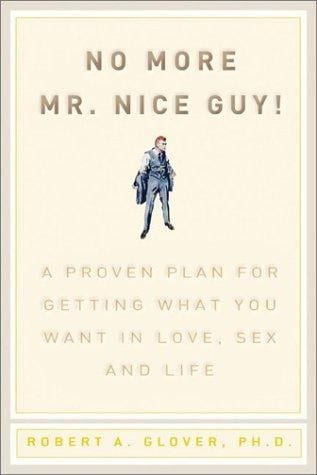
AI-assisted book brief. Verify important claims against the original book; this page does not claim personal reading or independent expert review.
Questions to take into the book
- Which behaviors does Glover group under the 'Nice Guy' label, and how does he explain their function?
- How does the book distinguish a direct request from an expectation of automatic agreement?
- Where might the author's gendered framing fail to describe a reader's experience or a healthy relationship?
Who should read the full book
Men struggling with people-pleasing, low self-esteem, or feelings of resentment should read this book. Those already confident in their self-worth and assertiveness skills may find the content less relevant. The book is particularly suited for individuals in their 30s and 40s seeking personal growth.
📚 Get the full book on Amazon →How to use this idea
Glover uses the phrase 'Nice Guy' for a pattern of seeking approval indirectly, hiding needs, and expecting unspoken bargains to be reciprocated. His exercises encourage direct requests, boundaries, and responsibility for one's choices. Read the label as the author's framework, not a diagnosis or a description of all men, relationships, or forms of kindness.
Where it has limits
The book presents a gendered self-help model and should not be treated as clinical evidence or universal relationship guidance. Directness does not excuse entitlement, coercion, or disregard for another person's consent; therapy or specialist support may be more appropriate for persistent distress or harmful relationship patterns.
A small test to try
Write one request clearly and respectfully, with room for the other person to say no. Note what you can decide for yourself if the answer is no, rather than relying on hints or an unstated exchange.
AI-assisted editorial interpretation, not a claim of personal reading or independent expert review. Source checked 2026-10-14: Hachette Book Group: No More Mr Nice Guy edition and overview.
Brief your own reading in 10 seconds
Paste any article, essay or notes and get the 5 points that matter. Free, no signup.
Ask anything about this book
Ask for an AI-assisted explanation. Useful questions may be considered for editorial review; repeated requests do not publish an answer.