Misery: Summary in 5 Key Points
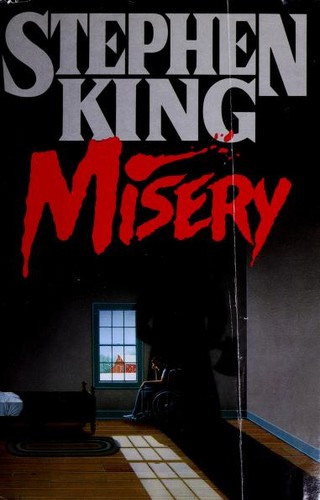
AI-assisted book brief. Verify important claims against the original book; this page does not claim personal reading or independent expert review.
Scope: Premise and themes only; no ending or major revelation. Sequel premises may reveal earlier-book outcomes.
Key ideas worth keeping
Devotion can become a claim of ownership.
Dependency reduces room for refusal.
Creative work gains different stakes under coercion.
Questions about this book
Does the central danger depend on a ghost?
No. Annie's coercive behavior drives the novel's horror.
Why is Paul unable simply to leave?
His injuries, isolation, and Annie's control severely restrict his options.
Does the brief explain how he escapes?
No. Any attempted escape and its outcome remain part of the novel.
Sources and scope
Original editorial orientation based on the cited work overview and reference edition. Theme takeaways are interpretation; this is not a chapter-by-chapter synopsis. Page counts vary by edition and are omitted.
Sources checked October 11, 2026.
Who should read the full book
For adult readers wanting concentrated psychological horror and an adversarial relationship. Expect graphic violence and prolonged threats to a captive person.
📚 Get the full book on Amazon →Brief your own reading in 10 seconds
Paste any article, essay or notes and get the 5 points that matter. Free, no signup.
Ask anything about this book
Ask for an AI-assisted explanation. Useful questions may be considered for editorial review; repeated requests do not publish an answer.