Grit: Summary in 5 Key Points
AI-assisted book brief. Verify important claims against the original book; this page does not claim personal reading or independent expert review.
The brief
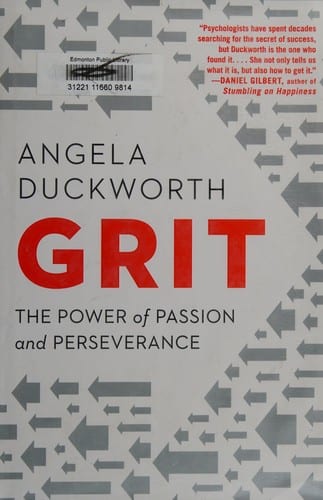
Grit, the combination of passion and perseverance, is a better predictor of success than talent.
Grit develops over time through deliberate practice and a growth mindset.
The four developmental stages of grit are: growing your interests, practicing diligently, connecting your work to purpose, and hope.
Talent is how quickly your skills are developed when you exert effort; grit is sustained.
Talent x Effort = Skill. Skill x Effort = Achievement.
Cultivating grit requires consistent effort, learning from setbacks, and maintaining a long-term vision.
Key ideas worth keeping
Sustained passion and hard work are more crucial for achievement than innate ability.
Developing grit involves actively nurturing your interests and striving for mastery.
Finding purpose in your efforts fuels the perseverance needed for long-term goals.
Who should read the full book
Anyone seeking to understand and cultivate the traits that lead to sustained achievement should read Grit. This includes students, professionals, and parents. Those who believe success is solely determined by innate talent might find it particularly eye-opening, while individuals already committed to long-term effort may find less novel information.
📚 Get the full book on Amazon →Brief your own reading in 10 seconds
Paste any article, essay or notes and get the 5 points that matter. Free, no signup.
Ask anything about this book
Ask for an AI-assisted explanation. Useful questions may be considered for editorial review; repeated requests do not publish an answer.