The Book of Five Rings: Summary in 5 Key Points
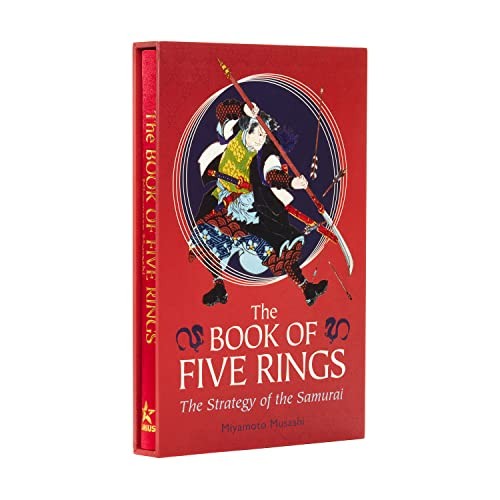
AI-assisted book brief. Verify important claims against the original book; this page does not claim personal reading or independent expert review.
Scope: Nonfiction overview; claims are attributed to the author and are not universal or clinical guarantees.
Key ideas worth keeping
track how the five-part structure organizes the argument
read strategic metaphors in their martial context
compare translation choices before treating a phrase as a rule
Questions about this book
What is Gorin no sho called here?
The reviewed English cover uses the title Book of the Five Rings.
Who wrote the text?
It is attributed to Japanese swordsman Miyamoto Musashi.
Are its business lessons modern research?
No; business applications are later interpretations of a historical martial text.
Sources and scope
Original editorial orientation based on the cited work overview and reference edition. Theme takeaways are interpretation; this is not a chapter-by-chapter synopsis. Page counts vary by edition and are omitted.
Sources checked October 13, 2026. 1645 is a conventional approximate composition date, not an edition publication date.
Who should read the full book
Readers of Japanese martial history, strategy classics, and translated philosophical texts.
📚 Get the full book on Amazon →Brief your own reading in 10 seconds
Paste any article, essay or notes and get the 5 points that matter. Free, no signup.
Ask anything about this book
Ask for an AI-assisted explanation. Useful questions may be considered for editorial review; repeated requests do not publish an answer.