Esperanza Rising: Summary in 5 Key Points
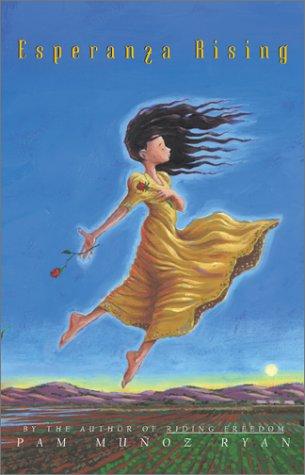
AI-assisted book brief. Verify important claims against the original book; this page does not claim personal reading or independent expert review.
Scope: Premise and themes only; no ending or major revelation. Sequel premises may reveal earlier-book outcomes.
Key ideas worth keeping
compare Esperanza’s expectations before and after migration
notice how community helps the family adapt
consider how work and class shape the characters’ choices
Questions about this book
When is the story set?
It takes place during the Great Depression.
Why does Esperanza leave Mexico?
She and her mother flee after danger threatens their family and home.
What does Esperanza learn?
She adjusts to hardship and learns the value of community and resilience.
Sources and scope
Original editorial orientation based on the cited work overview and reference edition. Theme takeaways are interpretation; this is not a chapter-by-chapter synopsis. Page counts vary by edition and are omitted.
Sources checked October 14, 2026. First published in 2000; selected English edition is from a later printing.
Who should read the full book
Middle-grade readers interested in historical fiction, migration, family resilience, and labor history.
📚 Get the full book on Amazon →Brief your own reading in 10 seconds
Paste any article, essay or notes and get the 5 points that matter. Free, no signup.
Ask anything about this book
Ask for an AI-assisted explanation. Useful questions may be considered for editorial review; repeated requests do not publish an answer.