Crank: Summary in 5 Key Points
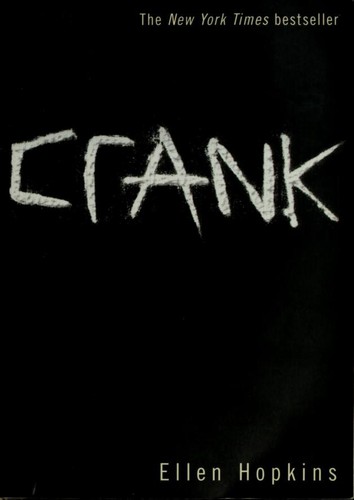
AI-assisted book brief. Verify important claims against the original book; this page does not claim personal reading or independent expert review.
Scope: Premise and themes only; no ending or major revelation. Sequel premises may reveal earlier-book outcomes.
Key ideas worth keeping
Addiction can alter ordinary decisions and relationships over time.
Form and subject reinforce one another through the novel’s verse structure.
Support matters, but the story does not offer an easy or universal recovery formula.
Questions about this book
What is Crank about?
It follows a teenager whose first exposure to meth leads to increasingly serious consequences.
Is Crank written in verse?
Yes, Hopkins tells the story through free-verse poems.
Does Crank contain difficult material?
Yes, it deals directly with addiction, family strain, and risky behavior.
Sources and scope
Original editorial orientation based on the cited work overview and reference edition. Theme takeaways are interpretation; this is not a chapter-by-chapter synopsis. Page counts vary by edition and are omitted.
Sources checked October 15, 2026. First publication was 2004; the queue discovery year was incorrect.
Who should read the full book
Readers of contemporary young-adult fiction who can engage with substance-use themes and a verse-driven narrative.
📚 Get the full book on Amazon →Brief your own reading in 10 seconds
Paste any article, essay or notes and get the 5 points that matter. Free, no signup.
Ask anything about this book
Ask for an AI-assisted explanation. Useful questions may be considered for editorial review; repeated requests do not publish an answer.