A Gentle Reminder: Summary in 5 Key Points
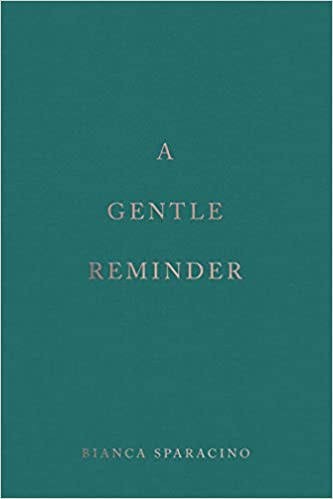
AI-assisted book brief. Verify important claims against the original book; this page does not claim personal reading or independent expert review.
Scope: Collection overview; original poems and passages are not reproduced.
Questions to take into the book
- How does the book use repetition and direct address to create a feeling of reassurance?
- Which affirmations feel grounded in your experience, and which feel too broad?
- How can reflective writing complement, but not replace, practical or professional support?
Questions about this book
Is there a continuous fictional plot?
No. The publisher presents it as a poetry collection.
Can it be read a few passages at a time?
Yes. Its short reflective form lends itself to selective reading.
Is it a clinical treatment program?
No. Its purpose is literary encouragement and reflection.
Sources and scope
Original editorial orientation based on the cited work overview and reference edition. Theme takeaways are interpretation; this is not a chapter-by-chapter synopsis. Page counts vary by edition and are omitted.
Sources checked October 10, 2026. 2020 is the date recorded for the cited library edition; the earliest publication date is not asserted.
Who should read the full book
For readers seeking accessible poetry and reassurance during heartbreak or transition. Less suited to those wanting a research-based program or plot-driven novel.
📚 Get the full book on Amazon →How to use this idea
Sparacino's collection is poetic prose and encouragement, so it is best read as reflective language rather than a step-by-step psychology or treatment guide. Its recurring invitation to hold hope alongside difficulty can comfort some readers, but the reader can also question the broad affirmations and keep what feels honest to their own experience.
Where it has limits
Poetry and personal reflection are not clinical advice. Encouraging language cannot resolve grief, trauma, or mental-health conditions on its own, and readers should seek appropriate support when they need it.
A small test to try
Choose one line or idea that resonates and rewrite it in your own words as a modest, believable reminder for a difficult day. If none feels true, note what kind of support would be more useful instead.
AI-assisted editorial interpretation, not a claim of personal reading or independent expert review. Source checked 2026-10-14: University of Toronto Press Distribution: official distributor listing.
Brief your own reading in 10 seconds
Paste any article, essay or notes and get the 5 points that matter. Free, no signup.
Ask anything about this book
Ask for an AI-assisted explanation. Useful questions may be considered for editorial review; repeated requests do not publish an answer.